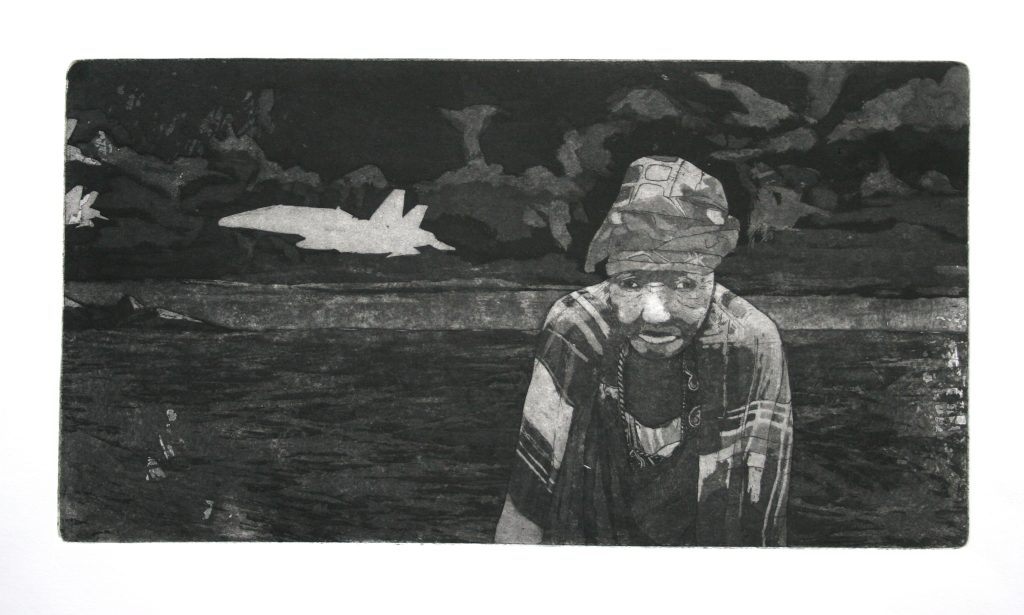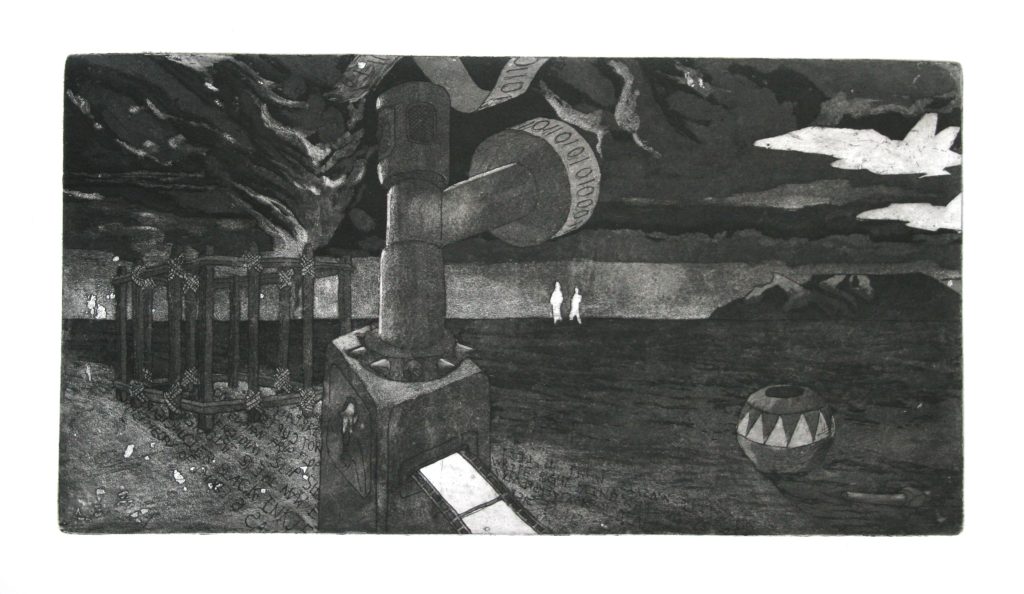
“Art is the highest form of hope”.
Philosophical Analysis of the Statement: “Art is the highest form of hope.”
The claim that “art is the highest form of hope” suggests that, within the realm of human creativity and expression, art stands out as a unique source of possibility, transcendence, and future-oriented aspiration. This analysis will explore several interconnected philosophical dimensions that help illuminate why art might be understood in this way: its transformative power, its relationship to the future, its communal and communicative role, and the ways in which it transcends ordinary experience.
1. Art as Transformative and Meaning-Creating
- Coping with and Transforming Reality
- From Plato onward, thinkers have wrestled with art’s connection to the real and the ideal. In the Republic, Plato was suspicious of art as “imitation,” yet he also acknowledged its power to impact human emotions and moral development. If we invert Plato’s caution, we might say that art points us toward a deeper reality—or an ideal form—rather than merely deceiving us. That “ideal” aspect connects art with hope: by imagining what does not (yet) exist, art exerts a transformative power on human consciousness.
- In a more modern context, Ernst Bloch’s work The Principle of Hope sees art as an anticipation of better realities. It fuels what Bloch calls the “Not-Yet” dimension—a forward-looking stance in which human creativity and imagination actively shape the future. Art, therefore, functions as the symbolic site where individuals, through creative works, begin to envision and move toward a better, more fulfilling reality.
- Meaning in a Fragmented World
- In modernity and postmodernity, as traditional sources of meaning (religion, communal narratives, etc.) can appear fragmented, art often arises as a space for re-enchantment. In existentialist philosophy, figures such as Jean-Paul Sartre and Albert Camus note that we must create our own meaning in an inherently indifferent or even absurd universe. Art, by offering forms and visions that engage us emotionally and intellectually, becomes a means of positing or constructing hope in the face of existential angst.
- This creation of new meaning—through paintings, literature, music—testifies to human resilience and creativity. It can serve as a reminder that, even when society is plagued by disillusionment or nihilism, the capacity for humans to produce beauty, harmony, and novel modes of expression has not diminished.
2. The Forward-Thinking Nature of Art
- Art and Utopia
- Philosophers of utopia, such as Bloch or Herbert Marcuse, see in art a radical break from the mundane. By depicting alternative realities and new forms of social or individual life, art becomes more than mere reflection. It kindles a desire for transformation—a hope that the world might be otherwise.
- This forward-orientation is what differentiates art from pure escapism. Even art that appears to depict pain or tragedy can stimulate critical reflection. For instance, the paintings of Francisco Goya or the novels of Fyodor Dostoevsky often confront dark realities but, in doing so, also suggest that human beings are more than the sum of their suffering. The very act of creating such works affirms a stance that a better horizon may be possible.
- Art, Potential, and the Human Imagination
- Art’s imaginative capacity allows for the exploration of hypothetical scenarios, aesthetic ideals, and values that transcend current conditions. Whether in surrealist painting, science fiction literature, or socially engaged street art, the creative reconfiguration of the world’s “givens” triggers a sense of possibility.
- This sense of possibility feeds directly into hope. Just as hope looks to what could be, art makes visible aspects of human experience or the world that remain latent or invisible in everyday life. In this way, the statement “art is the highest form of hope” underscores art’s power to vivify our latent aspirations and bring them into the realm of shared discourse.
3. The Communal and Communicative Role of Art
- Shared Experience and Empathy
- Art is often a communal phenomenon, connecting viewers, readers, listeners, and performers in acts of shared perception. The philosopher Martha Nussbaum suggests that literature, for example, can refine our empathic capacities by transporting us into narratives and emotional contexts distinct from our own.
- Such empathetic expansion can engender hope in a twofold manner: by showing us that we are not alone in our struggles and by revealing that people are capable of encountering the unknown with understanding rather than fear. The communal aspect turns private desires for a better future into shared efforts, thus multiplying the potency of hope.
- A Venue for Dissent and Critique
- In many political contexts, particularly under oppressive regimes, art has served as a subtle vehicle for criticism and an assertion of human dignity. This was evident under totalitarian regimes where certain forms of art became a coded language of protest and resilience.
- Because art can often convey subversive messages beneath the radar of strict censorship, it carries the seed of hope that critical awareness can survive and even thrive under dire circumstances. Hope, here, is not naive optimism but a deeply rooted conviction that the human spirit can outlast or outwit oppressive forces.
4. Art’s Transcendence of Ordinary Experience
- Aesthetic Elevation and the Sublime
- Philosophers like Immanuel Kant highlight the notion of the sublime: the encounter with overwhelming beauty or grandeur that transcends our normal conceptual categories. This experience, while at times unsettling, can also provide profound hope that human beings are capable of encountering or creating something that surpasses the everyday.
- Art that aims at the sublime—such as awe-inspiring paintings, towering sculptures, or vast architectural feats—immerses us in a perspective beyond our routine experiences. This often results in a sense of uplift, a conviction that more lies beyond our immediate surroundings and constraints.
- Art, Non-Utilitarian Value, and Freedom
- A further dimension of hope arises from art’s freedom from purely instrumental or utilitarian ends. In a world often driven by efficiency, productivity, and commodification, art’s capacity to exist for its own sake is a reminder of human freedom. It tells us that not everything needs to be reduced to a transaction or a means to an end.
- This freedom resonates with hope because it testifies to the possibility of existing outside strictly determined social or economic forces. Art’s “uselessness” in the utilitarian sense can be its greatest strength, embodying the idea that human beings can create and engage with beauty solely for the sake of beauty, expression, and emotional truth.
5. Counterarguments and Limitations
- Naivety vs. Genuine Hope
- One might argue that calling art the “highest form of hope” places too much faith in creative expression, neglecting concrete political or social actions. Genuine transformations in society require more than aesthetic contemplation; they demand tangible steps toward justice and reform.
- However, the philosophical response here is that art can inspire and guide moral or political transformations by stirring imagination, empathy, and resolve. While art alone is not sufficient, its generative power can be a prerequisite for collective change.
- Art as a Reflection Rather Than a Catalyst
- Another challenge posits that art often reflects societal conditions rather than actively shaping them. If so, art might reinforce existing cultural values without necessarily providing hopeful alternatives.
- Yet many works of art do precisely the opposite: whether through satire, allegory, or protest, they critique status quo realities and hint at new possibilities. Even purely reflective art, in its honest portrayal of suffering or absurdity, can provoke longing for something better. This longing is the wellspring of hope.
Conclusion
To say that “art is the highest form of hope” is to position art as a uniquely potent phenomenon that combines imagination, emotional resonance, and forward-oriented vision. Art transforms raw experience into forms that prompt reflection on alternative futures and expanded perspectives. It brings individuals together in shared acts of perception and creates a space where oppression can be challenged and transcended. Above all, art’s essence lies in its ability to generate and sustain the conviction that new realities are possible—an act that is, at its core, hopeful.
In this sense, calling art the “highest form of hope” highlights art’s capacity to envision and gesture toward futures not yet realized, affirm the inherent dignity and freedom of human beings, and connect isolated individuals in a tapestry of shared longing and creative aspiration. While hope should not be conflated with passivity, and art alone does not solve concrete problems, it often serves as the imaginative foundation from which meaningful change—political, social, and personal—can spring.